
How to Choose the Perfect Fabric for Table Runners in B2B Success
In the fast-paced world of B2B industries, the look and practicality of your products can greatly influence how your brand is perceived. One often underestimated element in event planning, retail merchandising, and interior design is the table runner. This seemingly simple accessory can enhance the visual appeal of any setting while serving essential functions. Choosing the right fabric for your table runner is vital, as it affects durability, maintenance, and overall attractiveness. In this article, I’ll share the key factors to consider when selecting fabric for table runners, especially from a B2B perspective.
1. Understanding Table Runner Specifications
Overview of Fabric Types
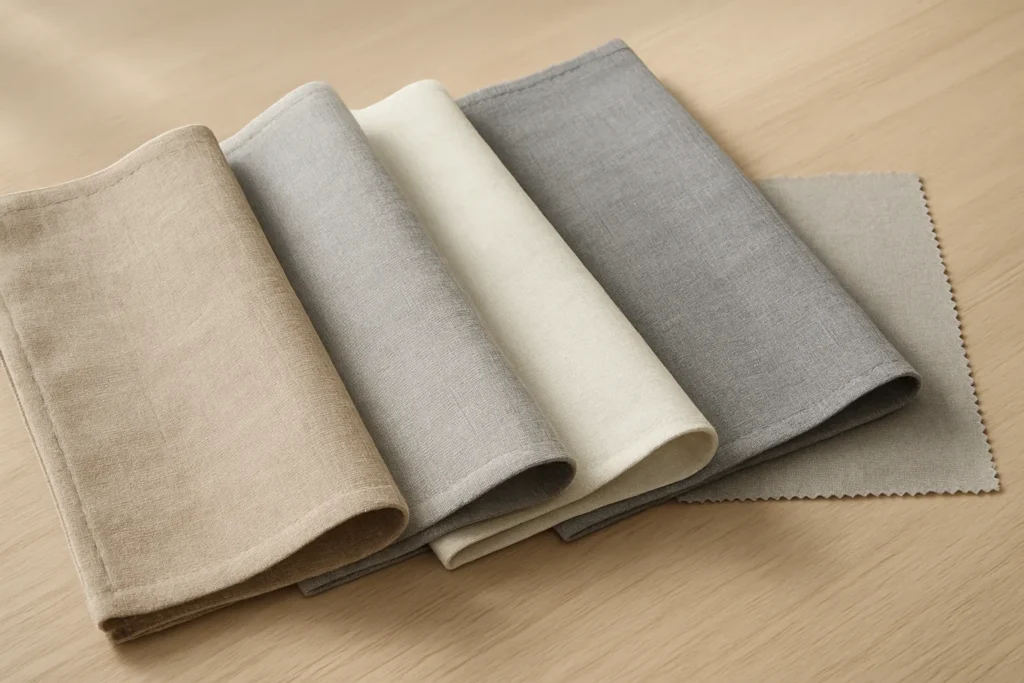
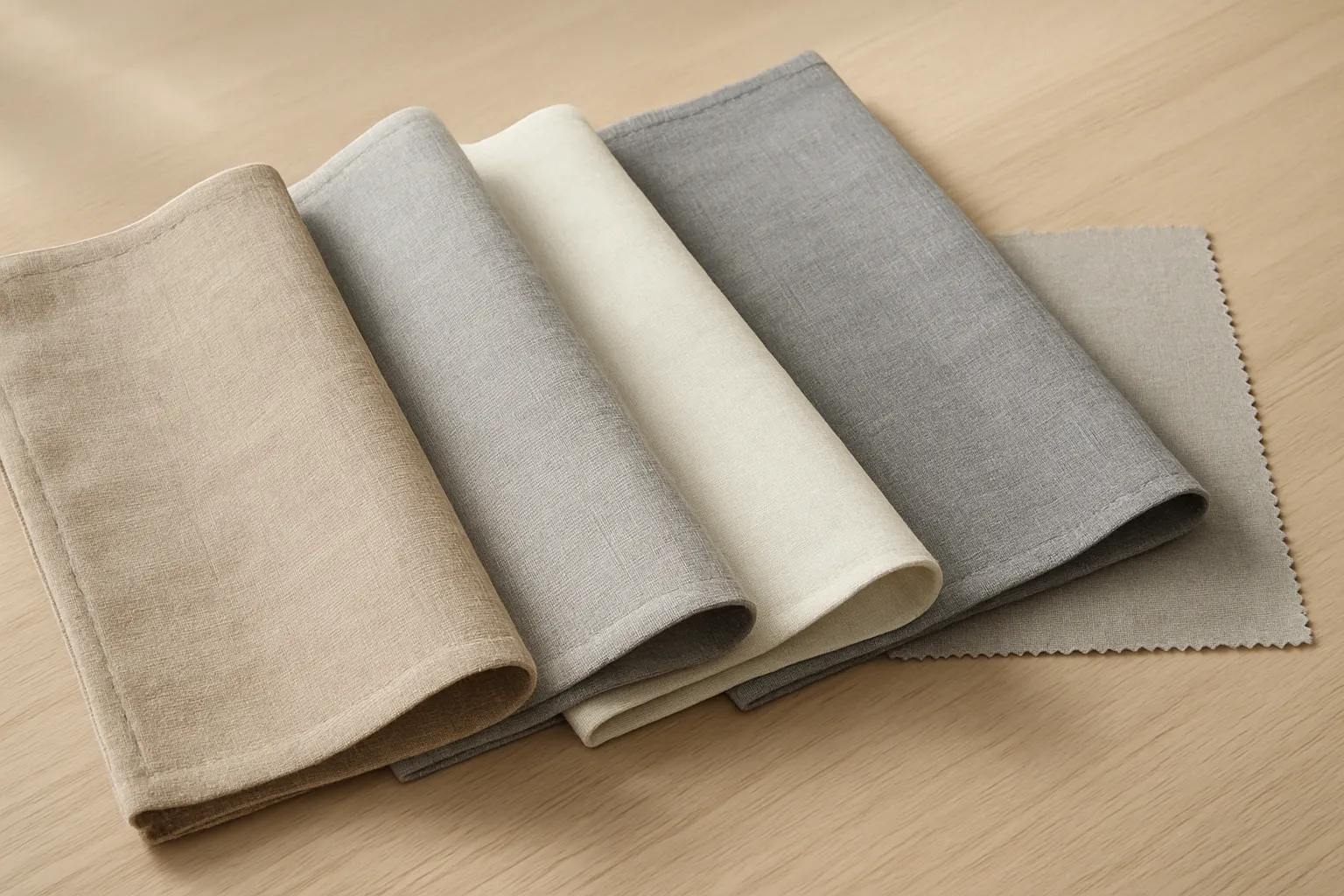
When selecting fabric for table runners, it’s crucial to grasp the variety of options available. Common fabric choices include cotton, linen, polyester, and blends. Cotton is soft and highly absorbent, making it a great fit for casual settings. Linen, with its natural sheen, exudes elegance but is prone to wrinkling. Polyester stands out for its durability and ease of care, while blends offer the best of both worlds. For deeper insights into different fabric types, visit our product page.
Durability and Maintenance
Durability is a significant consideration in fabric selection, particularly in high-traffic B2B environments. Polyester and nylon are renowned for their strength and resistance to wear, making them ideal for uses like event planning and catering. In contrast, cotton and linen may need more frequent maintenance, such as washing and ironing. It’s essential to factor in the expected usage and cleaning frequency, as these aspects will influence the longevity of your table runner. For more information on fabric care, check out our FAQs.
Color and Pattern Considerations
Color and pattern are vital in enhancing the aesthetic appeal of table runners. In B2B settings, colors can be aligned with your brand identity or event themes. Neutral colors provide versatility, complementing various decor styles, while bold patterns can serve as striking focal points. Additionally, consider how well the fabric retains color after multiple washes, as this will affect its long-term appearance.
2. Use Cases for Table Runners in B2B Settings
Event Planning and Catering
In the realm of event planning and catering, table runners are essential for creating an inviting atmosphere. They can enhance the theme of any event, whether a corporate gala or a casual gathering. The right fabric can contribute significantly to the overall ambiance, making it crucial to choose materials that align with the event’s tone. For instance, a formal event may benefit from luxurious silk or satin runners, while a rustic outdoor gathering could utilize burlap or linen. For more on event planning, refer to this industry reference.
Retail Display and Merchandising
Table runners are also pivotal in retail display and merchandising. They can highlight products, create visually appealing arrangements, and draw attention to promotional items. Here, fabric selection should balance aesthetics with practicality. A durable, stain-resistant fabric is ideal for high-traffic retail environments, ensuring that displays remain attractive over time.
Home Decor and Interior Design
In home decor and interior design sectors, table runners act as decorative elements that can enhance a room’s aesthetic. Designers often incorporate them to add texture and color to dining tables, coffee tables, and console tables. Fabrics that complement existing decor while adding a touch of elegance can elevate the overall design. Additionally, easy-to-clean fabrics are preferred in family-oriented spaces.
3. Comparing Fabrics for Table Runners
Natural vs. Synthetic Fabrics
When comparing natural and synthetic fabrics, several factors come into play. Natural fabrics like cotton and linen offer breathability and comfort, but may not be as durable as synthetic options. Conversely, synthetic fabrics such as polyester are often more resilient and stain-resistant, making them suitable for various B2B applications. The choice between natural and synthetic will largely depend on the specific use case and desired aesthetic.
Cost-Effectiveness Analysis
Cost is always a consideration in B2B environments. While natural fabrics may provide a more luxurious feel, synthetic fabrics typically come at a lower price point and require less maintenance. Conducting a cost-effectiveness analysis can help businesses determine which fabric aligns best with their budget while still meeting quality and aesthetic standards.
Performance Characteristics
When selecting fabric for table runners, performance characteristics such as stain resistance, colorfastness, and ease of cleaning should be evaluated. Fabrics that are easy to clean can save both time and labor costs, particularly in settings where spills are common. Additionally, consider the fabric’s ability to withstand various environmental factors, such as UV exposure if used outdoors.
4. Sourcing Fabrics for Table Runners
Identifying Reliable Suppliers
Finding reliable suppliers is crucial for businesses looking to source fabric for table runners. Research potential suppliers by checking their reputation, customer reviews, and product offerings. Forming relationships with suppliers who understand your needs can lead to better pricing, quality control, and timely delivery.
Bulk Purchasing Options
For B2B companies, bulk purchasing can significantly lower costs. Many suppliers offer discounts for larger orders, which can be advantageous for businesses planning multiple events or needing consistent inventory for retail displays. Assess your projected needs and negotiate bulk pricing to maximize savings.
Quality Assurance Practices
Quality assurance is essential when sourcing fabrics. Ensure that suppliers provide samples to assess the fabric’s quality, durability, and color accuracy. Additionally, inquire about their manufacturing processes and any certifications that guarantee the fabric meets industry standards.
5. Implementation Strategies for Table Runners
Customization and Branding
Customization is a powerful tool in B2B marketing. Consider adding logos or branding elements to table runners to enhance visibility at events or in retail spaces. Many fabric suppliers offer customization options, allowing businesses to create unique designs that resonate with their target audience.
Installation and Setup Tips
Proper installation and setup of table runners can enhance their visual appeal. Ensure that runners are centered on tables and hang evenly over the edges. For events, consider using weights to keep runners in place, especially outdoors. Providing clear setup instructions can streamline the process for your staff.
Maintenance and Care Guidelines
To prolong the life of table runners, establish maintenance and care guidelines. This may include recommendations for washing, drying, and storing fabrics. Providing these guidelines to staff or customers can help maintain the appearance and functionality of table runners, ensuring they continue serving their intended purpose effectively.
6. Frequently Asked Questions
Common Concerns About Fabric Selection
Businesses frequently have concerns regarding fabric durability, maintenance, and aesthetic appeal. Addressing these concerns through educational resources can help guide clients toward making informed decisions about fabric selection.
Troubleshooting Fabric Issues
In case of fabric issues, such as stains or fading, provide troubleshooting tips to help businesses address these problems. This could include advice on cleaning methods or recommendations for fabric protection treatments.
Best Practices for Table Runner Usage
Encourage businesses to adopt best practices for table runner usage, such as regularly rotating runners to prevent wear and tear and using appropriate cleaning methods to maintain their appearance. Sharing these practices can enhance customer satisfaction and prolong the life of the product.
Conclusion
Selecting the right fabric for your table runner is a nuanced process that requires thoughtful consideration of various factors, including durability, maintenance, and aesthetic appeal. By understanding the specifications, use cases, and sourcing strategies, businesses can make informed decisions that enhance their brand visibility and operational efficiency. Whether for event planning, retail display, or home decor, the right fabric can transform a simple table runner into a powerful marketing tool. With the insights provided in this article, you are now better equipped to choose the ideal fabric for your table runners, ensuring they meet both your practical and aesthetic needs.