Choosing the Best Curtain Fabric for Home Textile Suppliers: A Guide
1. Introduction to Curtain Fabrics
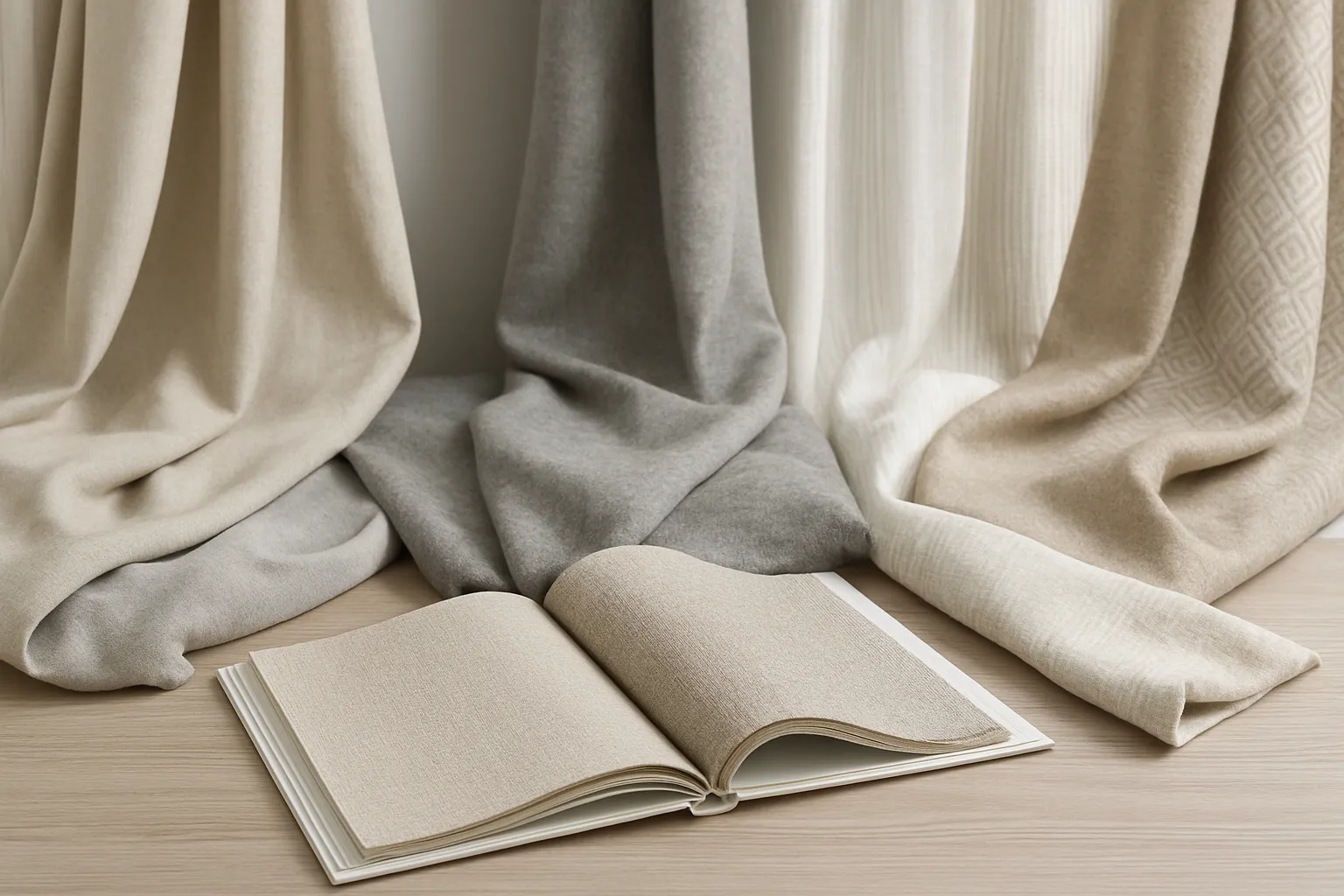
Selecting the right fabric for curtains is a crucial decision for home textile suppliers and manufacturers. The choice of fabric not only affects the visual appeal of a room but also serves significant functional purposes. Curtains help control light, provide insulation, and contribute to privacy, making the selection of fabric paramount. In this guide, we will delve into various types of fabrics available, key specifications to consider, and practical advice for effectively sourcing and implementing curtain fabrics.
2. Types of Fabrics for Curtains
When it comes to curtain fabrics, suppliers can choose from three primary categories: natural, synthetic, and blended fabrics.
- Natural Fabrics: These include materials such as cotton, linen, and silk, which are sourced from plants or animals. They are often preferred for their breathability and luxurious feel. For instance, cotton is versatile and easy to maintain, while silk offers an elegant drape and natural sheen.
- Synthetic Fabrics: Composed of man-made fibers like polyester and nylon, synthetic fabrics are known for their durability and resistance to wrinkles and fading. Polyester, in particular, stands out as a popular choice among suppliers due to its affordability and extensive range of colors and patterns.
- Blended Fabrics: These fabrics combine natural and synthetic fibers to harness the best qualities of both types. A cotton-polyester blend, for example, provides the softness of cotton while enhancing durability and ease of care.
3. Key Specifications to Consider
When selecting fabric for curtains, several critical specifications should be considered:
- Weight and Drape: The weight of the fabric impacts how it hangs and flows. Heavier fabrics tend to drape better and provide a more structured appearance, while lighter fabrics can create a softer, more airy feel.
- Light Filtering and Opacity: Different fabrics offer varying levels of light filtration. Sheer fabrics allow natural light to filter through while maintaining privacy, whereas opaque fabrics block out light entirely, making them ideal for bedrooms or media rooms.
- Durability and Maintenance: It’s essential to consider the wear and tear the fabric will experience, especially in high-traffic areas. Fabrics that are easy to clean and maintain, like polyester, are often preferred for their longevity and practicality.
4. Use Cases for Different Fabrics
Different environments call for different curtain fabrics.
- Residential Applications: In homes, curtains not only enhance décor but also provide privacy and light control. Natural fabrics like cotton and linen are often chosen for living rooms and bedrooms, while durable synthetic options may be preferred in kitchens or playrooms.
- Commercial Applications: In commercial environments such as offices or retail spaces, durability and ease of maintenance are crucial. Synthetic fabrics that resist fading and staining are typically favored in these settings.
- Specialty Uses: For specific applications, such as blackout curtains for bedrooms or acoustic curtains for sound absorption in theaters, specialized fabrics are essential. These may include heavier materials or those with specific coatings to achieve the desired functionalities.
5. Comparing Popular Curtain Fabrics
Understanding the strengths and weaknesses of popular curtain fabrics can aid home textile suppliers in making informed choices.
- Cotton vs. Polyester: Cotton is breathable and offers a natural aesthetic, while polyester is more durable and easier to care for. While cotton may require more maintenance, polyester can withstand harsher cleaning methods and is generally more resilient.
- Linen vs. Velvet: Linen provides a casual, textured look, making it ideal for relaxed settings, whereas velvet offers a luxurious and rich appearance that works well in formal spaces. Velvet is heavier and may require additional structural support when hung.
- Sheer vs. Opaque Fabrics: Sheer fabrics are perfect for letting light in while maintaining a level of privacy, making them great for living areas. In contrast, opaque fabrics are essential for rooms where complete darkness is needed, such as bedrooms or media rooms.
6. Sourcing Fabric for Curtains
Finding the right fabric involves more than just selecting a type; it requires careful sourcing.
- Identifying Reliable Suppliers: Look for suppliers with a strong reputation in the industry. Checking reviews, requesting samples, and ensuring they have a proven track record of delivering quality fabrics is essential. For more information on sourcing, visit the About page of Zhejiang Chuyue Textile Co., Ltd.
- Evaluating Fabric Quality: Quality can often be assessed through touch and visual inspection. Look for fabrics that are well-constructed, with no loose threads or uneven patterns, to ensure longevity and performance.
- Cost Considerations: While it’s essential to find affordable options, balance cost with quality. Cheaper fabrics may save money initially but could lead to higher replacement costs over time due to wear and tear.
7. Implementation Tips for Home Textile Suppliers
Once the right fabric has been sourced, effective implementation is key to a successful curtain project.
- Measuring and Cutting Fabric: Accurate measurements are crucial for ensuring that curtains fit properly. Suppliers should provide clear guidelines on how to measure windows and cut fabric accordingly to avoid errors.
- Installation Techniques: Educating customers on proper installation techniques can enhance the overall look and functionality of the curtains. Consider providing tutorials or guides that detail the installation process to empower customers.
- Customer Education on Care and Maintenance: Providing care instructions can significantly extend the life of the curtains. Suppliers should inform customers about washing, drying, and ironing methods specific to the fabric type to ensure longevity.
8. Frequently Asked Questions
- What is the best fabric for curtains? The best fabric depends on the intended use. For versatility, cotton is a fantastic choice, while polyester is ideal for durability.
- How do I choose the right fabric weight? Consider the room’s purpose and the desired aesthetic. Lighter fabrics work well in casual settings, while heavier fabrics provide a more formal look.
- Can I mix different fabrics in one project? Yes, mixing fabrics can create visual interest. However, ensure that they complement each other in terms of color, texture, and weight for a cohesive appearance.
Conclusion
Choosing the best fabric for curtains is a multifaceted decision that impacts both functionality and aesthetic appeal. Home textile suppliers must consider various fabric types, their specifications, and the unique needs of their clients. By understanding the nuances of curtain fabrics and implementing effective sourcing and installation strategies, suppliers can enhance their offerings and successfully meet customer demands. For further insights on fabric types, refer to this industry reference from AZoM.